Guinea Pig Products

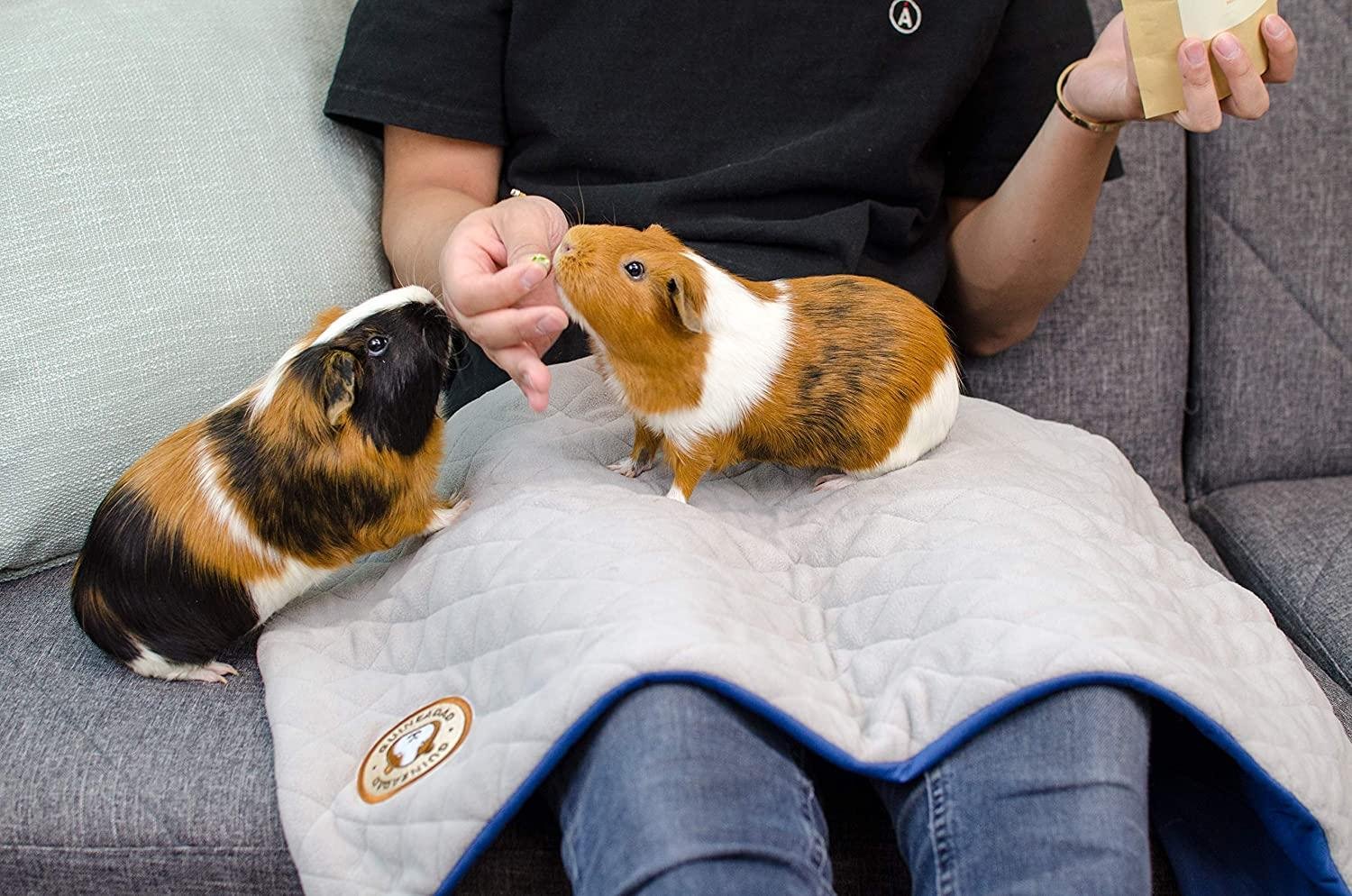
For all you guinea pig fans out there, here is a quick round up of some of the newer products on the market. For people who are thinking of getting a guinea pig, or are new owners, there is a section at the bottom of the page just for you with some essential product ideas.

guinea pig by therysema

VERY IMPORTANT: This article is for general educational purposes only – NO information here can ever be used a substitute for professional vetinary advice! PLEASE ASK YOUR VET FOR ABOUT YOUR GUINEA PIG’S HEALTHCARE AND LIVING NEEDS. We therefore respectfully advise we are unable to answer any questions on animal care.

Guinea Pig Carriers

Range from the plain cardboard variety at the lower end of the budget range, up to fancy specialist carriers in funky fabric and foam or plastic. Use them to take your pet to the vets or when moving house, etc.

Trixie5904TravellerPicoSmallImage

Toys & Stimulation

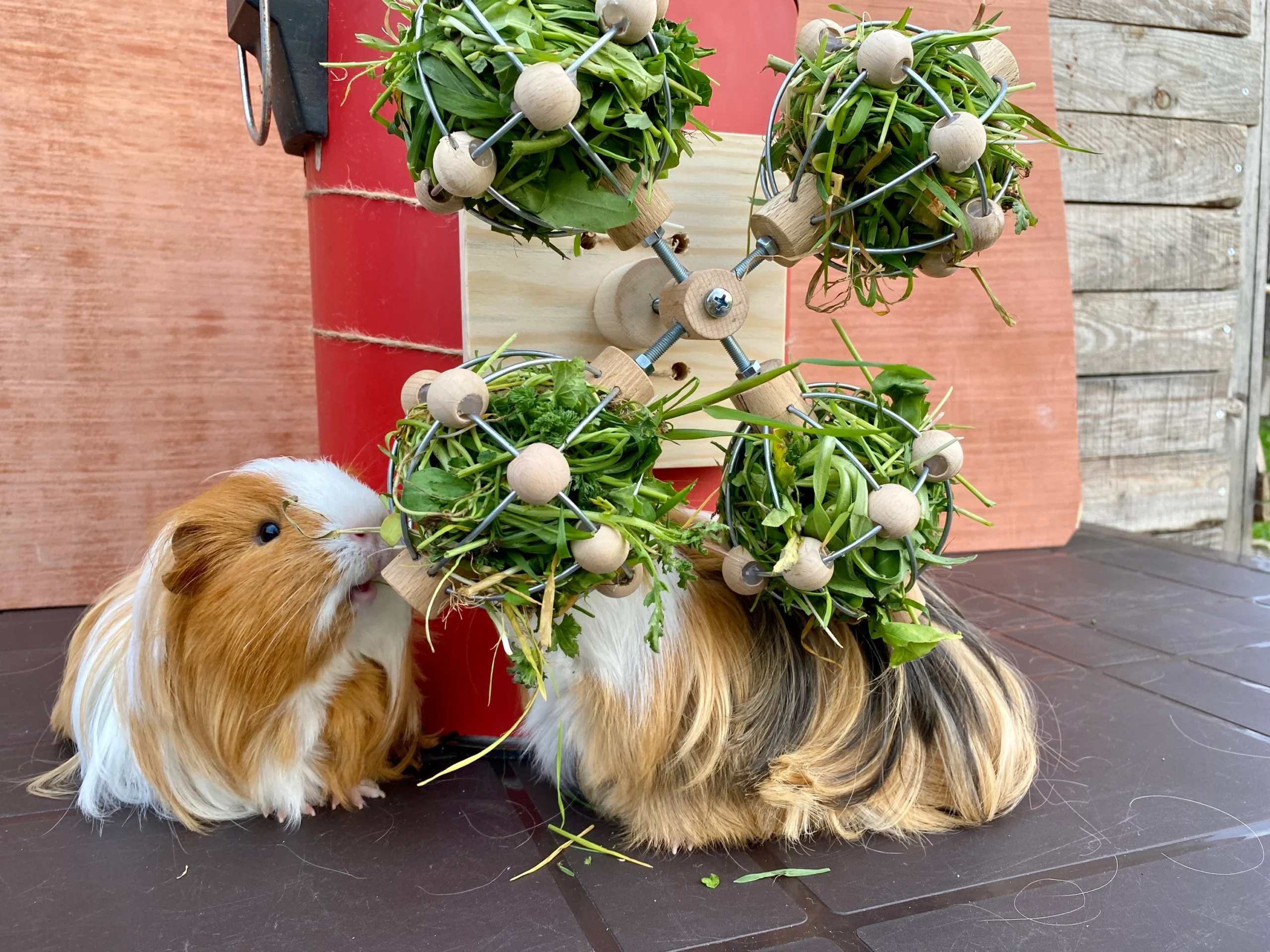
You can now buy toys which you stuff with special guinea pig treats & suitable foodstuffs, which makes the guinea pig work his or her ingenuity to get the food out. This may help prevent boredom. Many other toy designs feature ‘gnawing’ or ‘chewing’, as this is natural behaviour. Your vet or guniea pig rescue organisations have tips on which products are ok to give your guinea pig. There are ‘warren runs’ you can use outdoors to allow them to hop about in the fresh air and enjoy a simulation of a natural burrow.  Secure safe space to run in daily is an absolute must. One product to avoid are ‘exercise balls’ and ‘exercise wheels’ – these are not safe for guinea pigs. See Useful Resources for expert opinions.

Treats

In addition to regular guinea pig food mixes, treats can provide a nice variety to prevent boredom.! (Only buy food products designed for guinea pigs – all small animals need specialist feeding and products aren’t always ‘interchangeable’ between species). 

Hutch cleaning sprays

Come in various guises, with disinfectant properties but must be safe for the animals. Some are available in ‘natural’ product ranges too.

Beds & ‘nests’

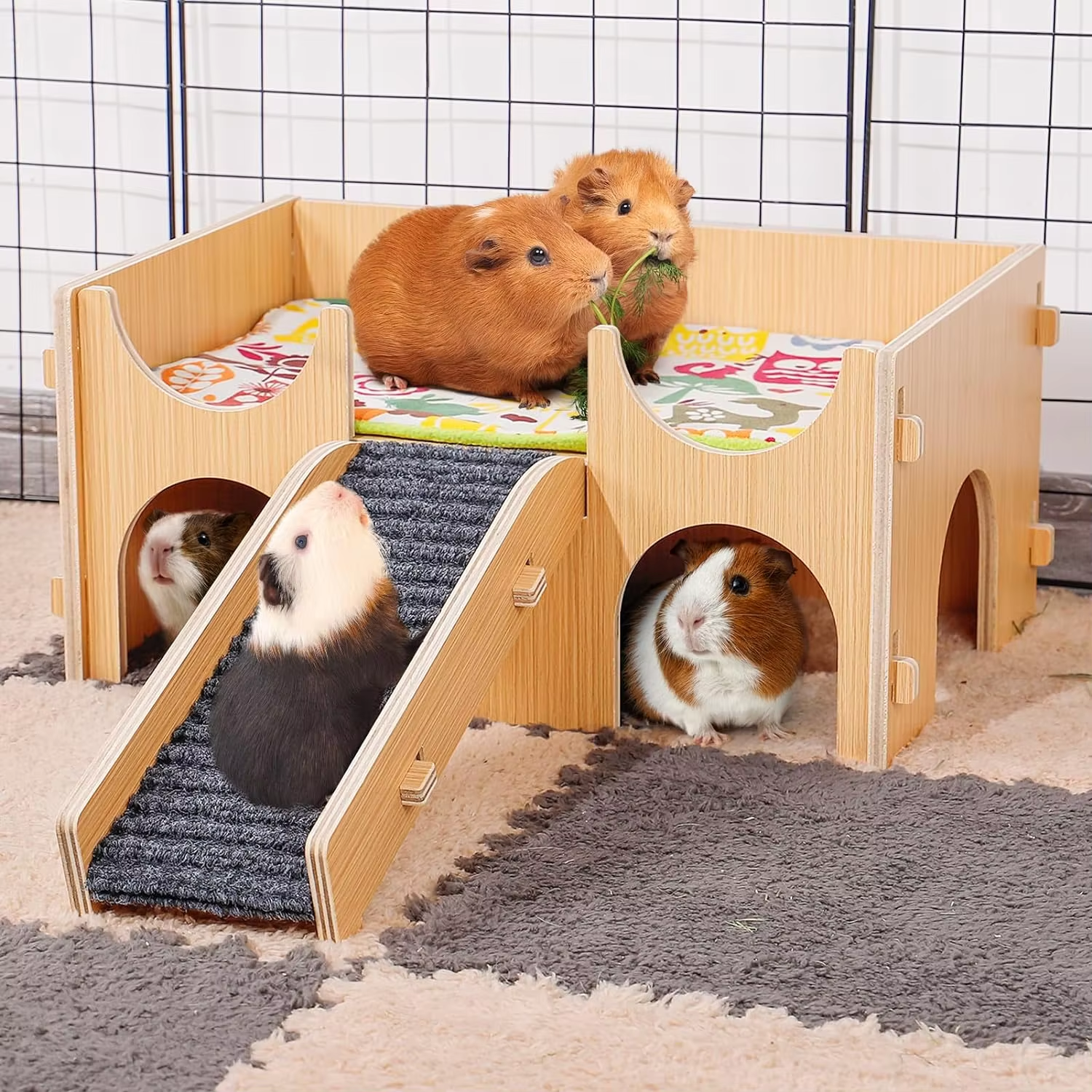
Days were when guinea pigs had some nice fluffy type bedding to snooze in and that was that. These days, you can buy guinea pig ‘nests’:  round balls with a small hole in so your guinea pig can be cosy inside the ‘nest’. Small animals have instincts to hide and, well, nest (that’s why they do all that chewing) and these could well help them fulfil those instincts.   Guinea pigs also have an array of little ‘houses’ you can buy for them to hide and snuggle in, in natural wood or plastic designs.  We have to admit these all look extremely cute. Check nothing could hurt your pet – for example,  make sure they can’t chew something that would then create a  sharp bit that could injure their eyes or skin.

For those thinking of getting a guinea pig or newer owners:

The following advice echoes some of the tips of animal charities on guinea pig care. This can help you know what you must organise for you new pet:  what basics guinea pigs need to keep them happy and healthy. If you are looking for guinea pig,  see the Useful Resources section for organisations worldwide that rehome rescued guinea pigs: plenty worldwide need a loving home.

  • A good vet who knows their guinea pigs – for neutering if there’s a male and female living together, taking care of nails and teeth; advice and of course treating any illness / injury. Check they are familiar with working with guinea pigs as some vetinary medications are unsuitable for them.
  • A drip-feed water bottle – they need to always be able to have a drink of fresh water
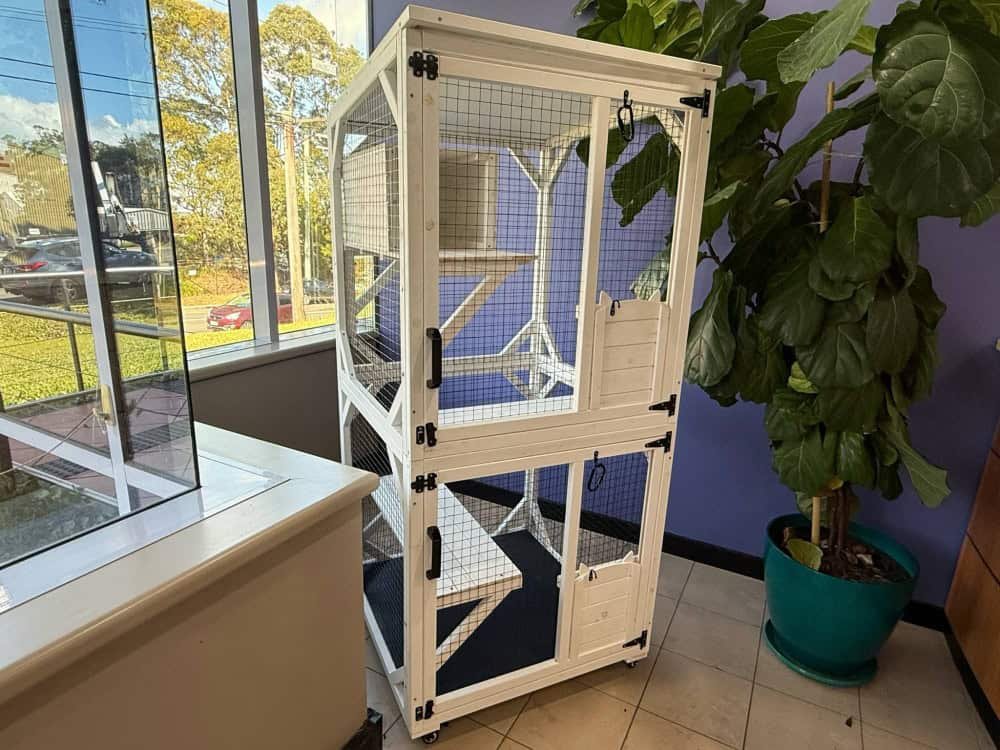
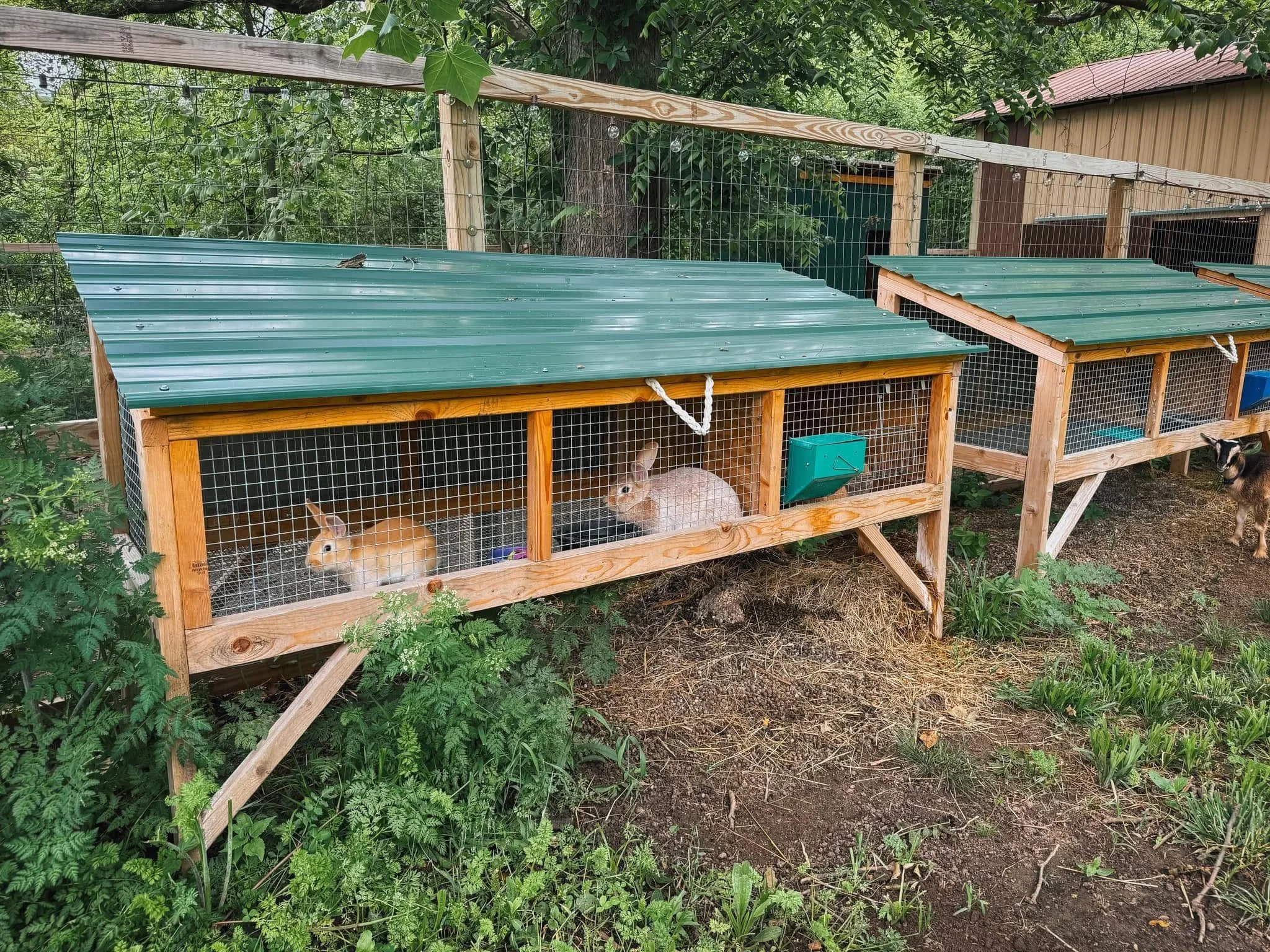
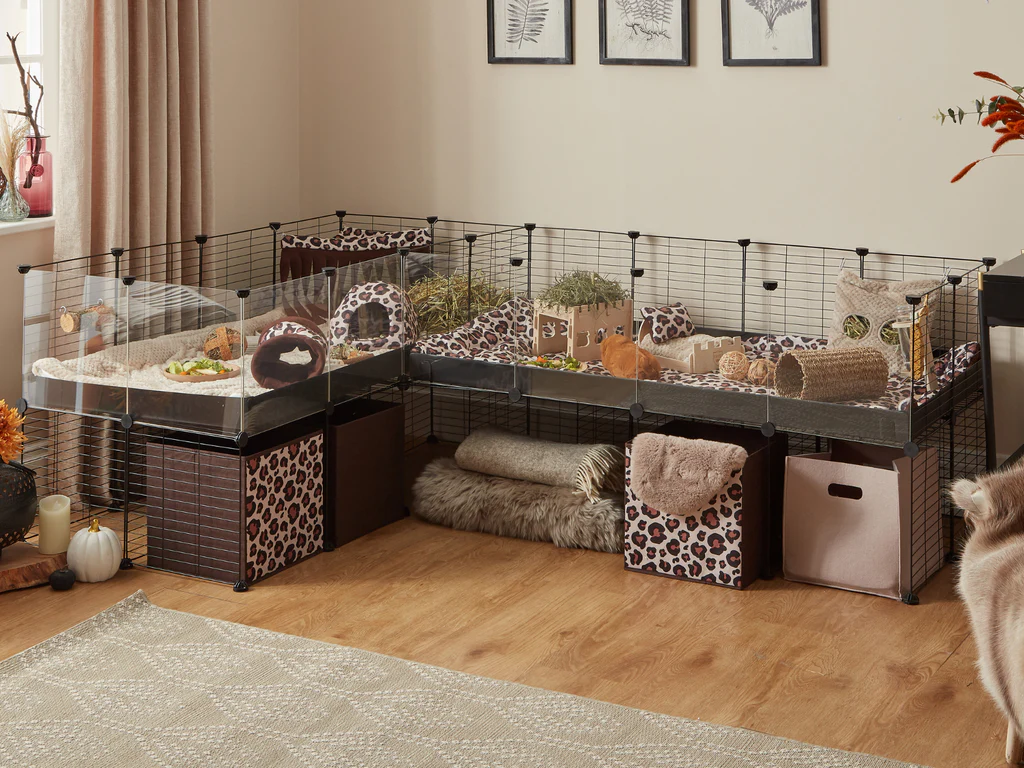
  • A spacious  cage to live in – they will probably choose one side for sleeping in and one side for everything else. Put the hutch off the ground, (e.g. – on a table) so they feel secure. The ASPCA suggests a minimum of four square feet of hutch space per guinea pig but ideally more – other guinea pig experts  state at least 7.5 square feet is needed for one guinea pig and that they need to live indoors only (1,2)
  • Places for them hide in the hutch and toys – things to hide in and play with for mental stimulation
  • Fresh bedding daily
  • Timothy Hay – but see Useful Resources for which hay to give pregnant moms and their young babies (Cavy Spirit’s home  page has information)
  • A large “secure enclosure”  to run around in every day – they 100% must excercise outside the cage to prevent health problems
  • A ‘gnawing block’ to help keep teeth healthy
  • Food twice daily (see Useful Resources for advice on what to feed)
  • Company – they like other guinea pigs and may be unhappy on their own

We would also suggest pet healthcare insurance if you can get it to cover this small pet, to help you afford vets bills – these can be expensive (and have an uncanny ability to arrive when you “least want them”! ).

Posted by Norma De Bloom

Photo Credits

Guinea pig close-up http://www.sxc.hu/profile/therysma

Useful facts sheets

1. Guinea Lynx - has a lot of specific information and facts sheets at

http://www.guinealynx.info/

2. Cavy Spirit guinea pig rescue organisation has information at two sites, including info on runs, housing, toys and health:

http://www.cavyspirit.com

http://www.guineapigcages.com

The UK’s RSPCA has fact sheets on caring for guinea pigs at

http://www.rspca.org.uk/servlet/Satellite?pagename=RSPCA/RSPCARedirect&pg=SmallAnimalsCare&marker=1&articleId=1154077755508

The USA’s ASPCA has fact sheets at

http://www.aspca.org/pet-care/small-pet-care/guinea-pig-care.html

Resources for adoption of rescued guinea pigs- please think carefully about caring properly for one beforehand:

Canada Rescue and Adoption

http://www.pgaa.com/canada.html

(USA) Cavy Spirit Guinea Pig rescue

http://www.cavyspirit.com/

(UK) Guinea Pig Rehome

http://www.guineapigrehome.org.uk/

(UK) Guinea Pig Rescue

http://www.guineapigrescue.co.uk/index.htm

Humane Society of Canada

http://www.humanesociety.com/pets/shelters.html

(USA) Petfinder

http://www.petfinder.com/pet-adoption

(UK) RSPCA

http://www.rspca.org.uk/servlet/Satellite?pagename=RSPCA/RSPCARedirect&pg=rehoming

Spain’s Animal Adoption Network

http://www.spanimal.org/

(France) Sauver Proteger Aimer – Refuges Animaux

http://refuges.animaux.ws/

(Elsewhere) World Society for the Protection of Animals (WSPA)

http://www.wspa.org.uk/members/findmember/Default.aspx

For all you guinea pig fans out there, here is a quick round up of some of the newer products on the market. For people who are thinking of getting a guinea pig, or are new owners, there is a section at the bottom of the page just for you with some essential product ideas.

VERY IMPORTANT: This article is for general educational purposes only – NO information here can ever be used a substitute for professional vetinary advice! PLEASE ASK YOUR VET FOR ABOUT YOUR GUINEA PIG’S HEALTHCARE AND LIVING NEEDS. We therefore respectfully advise we are unable to answer any questions on animal care. Thank you for your understanding J

Guinea pig carriers

Range from the plain cardboard variety at the lower end of the budget range, up to fancy specialist carriers in funky fabric and foam or plastic. Use them to take your pet to the vets or when moving house, etc.

Toys & Stimulation

You can now buy toys which you stuff with special guinea pig treats & suitable foodstuffs, which makes the guinea pig work his or her ingenuity to get the food out. This may help prevent boredom. Many other toy designs feature ‘gnawing’ or ‘chewing’, as this is natural behaviour.

There are also designs which hang from house bars, to get you hamster to scale them to exercise and stimulate the hamster mind, like a mini-gym.

There are ‘warren runs’ you can use outdoors to allow them to hop about in the fresh air and enjoy a simulation of a natural burrow. Secure outdoor space to run in is a must (see new owner section below).

Treats

In addition to regular guinea pig food mixes, treats can provide a nice variety to prevent boredom. ! (Only buy food products designed for guinea pigs – all small animals need specialist feeding and products aren’t always ‘interchangeable’ between species).

Hutch cleaning sprays

Come in various guises, with disinfectant properties but should be safe for animals. Some are available in ‘natural’ product ranges too.

Hutch heaters

You can now buy purpose designed animal safe heaters to keep them cosy in outdoor hutches when the weather is colder.

Beds & ‘nests’

Days were when guinea pigs had some nice fluffy type bedding to snooze in and that was that. These days, you can but ‘nests’ , round balls with a small hole in so your guinea pig can be cosy inside the ‘nest’. Small animals have instincts to hide and, well, nest (that’s why they do all that chewing) and these could well help them fulfil those instincts. . Guinea pigs and hamsters also have an array of little ‘houses’ you can buy fro them to hide and snuggle in, in natural wood or plastic designs. We have to admit these all look extremely cute. If you’re really feeling extravagant, there are also beds made in cute designs – cars, armchairs,

For those thinking of getting a guinea pig or new owners:

The following advice echoes some of the tips of animal charities on guinea pig care – the UK’s RSPCA and USA’s ASPCA. This can help you know what you must organise for you new pet: what basics guinea pigs need to keep them happy and healthy. If you are looking for guinea pig, the RSPCA does rehome them to suitable homes in the UK and they will have vetinary records about their health.

  • A good vet – for neutering if there’s a male and female living together, taking acre of nails and teeth; advice and of course treating any illness / injury
  • A drip-feed water bottle – they need to always be able to have a drink of fresh water
  • A spacious, sheltered and weatherproofed hutch – they will probably choose one side for sleeping in and one side for everything else. Put the hutch off the ground, (e.g. – on a table) so they feel secure. The ASPCA suggests a minimum of four square feet of hutch space per guinea pig but ideally more.
  • Places for them hide in the hutch and toys – things to hide in and play with for mental stimulation
  • Fresh bedding daily
  • A “secure enclosure” in the garden to run around in every day – they shouldn’t be left in a hutch all the time
  • A ‘gnawing block’ to help keep teeth healthy
  • Food twice daily (see RSPCA & ASPCS websites for advice)
  • Company – they like other guinea pigs and may be unhappy on their own

We would also suggest pet healthcare insurance if you can get it to cover this small pet, to help you afford vets bills – these can be expensive (and have an uncanny ability to arrive when you “least want them”! ).

Useful facts sheets

The UK’s RSPCA has fact sheets on caring for guinea pigs at http://www.rspca.org.uk/servlet/Satellite?pagename=RSPCA/RSPCARedirect&pg=SmallAnimalsCare&marker=1&articleId=1154077755508

The USA’s ASPCA has fact sheets at

http://www.aspca.org/pet-care/small-pet-care/guinea-pig-care.html.

Plastic Pet Bowls

Plastic Pet Food/ Water Bowls

Doggy 1 by hcmlopes

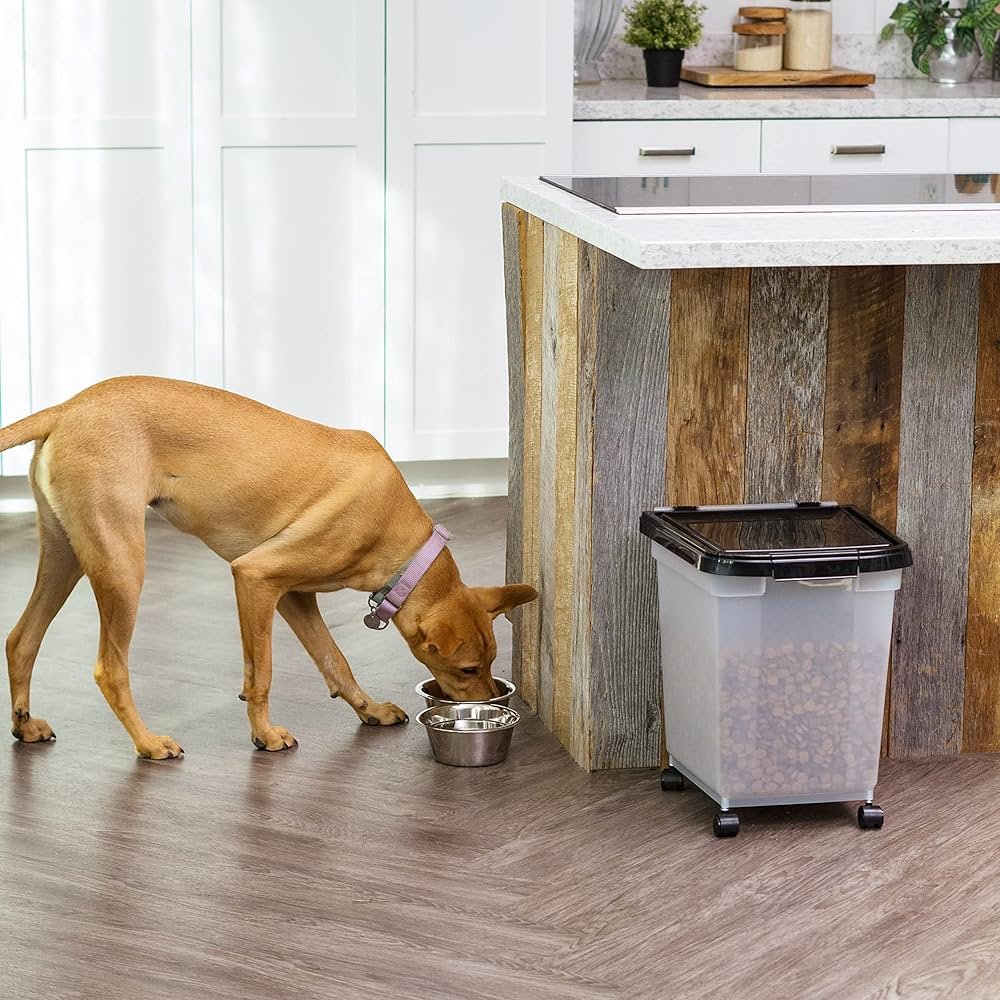
Recent scientific interest in plastic and human health has prompted some pet care bloggers to suggest it’s safest to ditch plastic food bowls in favour of ceramic or stainless steel bowls.

There are two reasons:

a) Basic Hygiene

Food and water bowls should always be cleaned daily (we think best simply once your pet has finished its food from the bowl). Plastic bowls are porous, meaning they absorb materials at a microscopic level. This may make them harder to rid of bacteria by cleaning. Just in the same way food hygiene rules apply for people, they do for pets to avoid gastro-intestinal, skin and other problems caused by food contaminated with unhealthy bacteria.

b) Controversy over Bisephanol A

Bisephanol A is a chemical used to make a type of hard, transparent plastic called polycarbonate. Polycarbonate is used in the manufacture of many plastic food storage and consumption items – reusable water bottles and baby bottles, plastic tableware, plastic food storage containers, etc. It is also found in epoxy compounds used to line tin cans. (1). Questions arose in recent years as to whether the chemical could migrate into foods and whether this posed any risk to human health. International opinion is currently sharply divided on the issue.

Canadian authorities are focusing efforts to protect newborn babies and infants less than 18 months. They are drafting legislation to “ban the importation, sale and advertising of polycarbonate baby bottles” (2). Bisephanol A was found to “harm fish and aquatic organisms over time” at low levels (3) . Its use in canned foods/drinks is also to be regulated.

The Americans are still evaluating evidence. The FDA issued a message for consumers 31/08/2009 stating close liason with the Canadian authorities but for now that “exposure levels to food contact materials, including for infants and children, are below those that may cause health effects”. Their position does indicate however they will continue to review evidence as it becomes available (4).

The Europeans do not appear to be taking any action to further regulate or ban Bisephanol A or polycarbon plastic (5).

If concerned, pet owners can buy ceramic or stainless steel feeding/ water bowls. Some pet supplies retailers are realising consumers want Bisephanol A free pet products and using the phrase “BPA free” in marketing.

Cat bowl by heltje

IMPORTANT: of course no information from the internet can ever be a substitute for advice from your vetinarian on any aspect of animal health. The opinions expressed here are for broad educational purposes only.

Sorry to our furry friends: unfortunately, if there’s a health concern, it does mean getting into the nasty carrier box and going to see the nasty man or lady with the funny smelling gloves!!

Posted by Norma De Bloom

Photo Credits

Dog with blue bowl http://www.sxc.hu/profile/hcmlopes Stainless steel bowls http://www.sxc.hu/profile/heltje

References

1. Health Canada.  (2008). Bisephanol A Fact Sheet. . [online]. Government of Canada. Available at:

http://www.chemicalsubstanceschimiques.gc.ca/challenge-defi/bisphenol-a_fs-fr_e.html

2. Health Canada.  (2008) Government of Canada Takes Action on Another Chemical of Concern: Bisphenol A. [online]. Government of Canada. Available at:

http://www.hc-sc.gc.ca/ahc-asc/media/nr-cp/_2008/2008_167-eng.php

3. Health Canada.  (2008) Government of Canada Protects Families With Bisphenol A Regulations. [online]. Government of Canada. Available at:

http://www.hc-sc.gc.ca/ahc-asc/media/nr-cp/_2008/2008_167-eng.php

4. FDA.  (2009). Bisphenol A (BPA) Message for Consumers. [online]. Department of Health and Human Services. Available at:

http://www.fda.gov/NewsEvents/PublicHealthFocus/ucm064437.htm

5. Scientific Committee on Food (2002). Opinion of the Scientific Committee on Food on Bisphenol A. [online]. European Commission: Health & Consumer Protection Directorate-General. Available at: http://ec.europa.eu/food/fs/sc/scf/out128_en.pdf

Buying A Dog

Special warning on buying a puppy

puppy by biggirl90

Cute, maybe with a starter-pack thrown in, but where has the puppy in the pet store come from?

OK, so this isn’t exactly about products, but for dogs in particular, its’ so important we just couldn’t miss it out. Beware of puppy mills. When you go to buy a book, you got a bookstore, when you buy shoes, you go to a shoe shop, and so on…. The amazing thing is, dog charities on both sides of the Atlantic advise against buying dogs by just walking into a pet store and picking out your favourite pup because of the likelihood it will have come from a puppy mill . These are breeding facilities which literally churn out puppies for profit. Female dogs are used to produce litter after litter, without adequate recovery time. Puppies are sold from just 8 weeks old to pet stores, or through adverts, without having been properly socialised – or checked for illness. Puppy mill puppies are known to have higher rates of sickness and hereditary defects. None of the dogs involved usually receive proper care, attention or socialisation (1).

For those in the states, the ASPCA advises not to buy from a pet store unless you can actually meet the dog’s mother (1). For those in the UK, the Breeding and Sale of Dogs Act should put a stop to the puppy mills activities, stipulating only one litter per year and mandatory vetinary inspections for breeder’s facilities. However, the UK Kennel Club issues the following cautions which indicate the law is, er, perhaps not entirely effective, shall we say (2). They advise never to purchase a dog from a pet shop as they are often supplied by ‘dealers’, who are agents for puppy mills. They also advise never to buy a dog from “the back of a van at a motorway service station or from an airport car park, such as Heathrow, as this is how many dealers operate”. Advertisers selling multiple dog breeds may also (but not always) be ‘dealers’.

Rehoming a dog

Since this is a big problem for dogs, we think the time has never been better than to considering to adopt a dog from an animal rescue centre. People are sometimes put off the idea that a ‘rescue dog’ always comes with behavioural problems. This simply isn’t always the case and good centres these days offer behavioural profiles of their animals and work with potential adoptees to find a dog that will perfectly suit their lifestyle. In any event, there can never be a 100% guarantee of any dog’s temperament or behaviour. Another advantage is rescue dogs usually come fully vaccinated, neutered, microchipped and with full vetinary checks. So there should be more assurances of the dog’s state of health.

Another myth that can put people off dog adoption is thinking they won’t be able to rehome their favourite breed of dog because there won’t be any available! However, less well known than the big famous charities are those rescue organisations that specialise in by breed alongside the general centres. You may well find your ideal pooch, even if he or she is a ‘posh’ breed!

In the USA, try http://www.allaboutdogsandcats.com/Dogs/BreedRescue.html

For greyhounds worldwide, try http://www.greyhoundrescue.co.uk/World.htm

For other breeds in the UK, try http://www.ukdogrescue.com/breedrescuelistae.htm

Finally, it may be worth checking the website or calling the secretaries of specific breed enthusiast clubs. Sometimes even pedigree dogs need rehoming due to unforeseen circumstances and some clubs may be able to an enthusiastic owner with a needy dog. All of the breeds below and more will be waiting at a rescue centre or on the books of a club…

puppy cocker by sofamonkezshiba inu puppy by gentrinitypuppy on the lawn by BeverlyRDoggie poses by smcarlipuppy by just 4 yousofia and me by coolzaLixa by swisscheeTiggy 2 by Brittyyy

Posted by Norma & Joe De Bloom - wishing EVERY dog a happy home

Photo Credits

Top puppy (under title) http://www.sxc.hu/profile/biggirl90 Puppy with paws at bars http://www.sxc.hu/profile/sue_r_b Sleeping puppy on blue blanket http://www.sxc.hu/profile/jwestyp

Cocker spaniel puppy http://www.sxc.hu/profile/sofamonkez Shiba Inu puppy http://www.sxc.hu/profile/gentrinity Terrier cross puppy http://www.sxc.hu/profile/BeverlyLR White (Jack Russel cross?) dog looking over shoulder http://www.sxc.hu/profile/smcarli Black puppy http://www.sxc.hu/profile/just4you Baby bulldog kisses! http://www.sxc.hu/profile/coolza Minature  Greyhound baby http://www.sxc.hu/profile/swisschee Bichon frisee http://www.sxc.hu/profile/Brittyyy

Useful fact sheets

1. ASPCA. What Is A Puppy Mill. ASPCA.

http://www.aspca.org/fight-animal-cruelty/puppy-mills/what-is-a-puppy-mill.html

2. The Kennel Club. Puppy farms, puppy dealers and pet shops. [online] The Kennel Club.

http://www.thekennelclub.org.uk/item/208